Vitamin D3, often referred to as the Vitamin D3, often referred to as the sunshine vitamin, is a vital nutrient that plays a significant role in maintaining overall health, particularly during pregnancy. This fat-soluble vitamin is unique because it can be synthesized by the body when the skin is exposed to sunlight, making it one of the few vitamins that can be produced naturally. However, many individuals, especially pregnant women, may find it challenging to obtain sufficient levels of Vitamin D3 through sunlight alone due to various factors such as geographic location, season, and lifestyle choices.The importance of Vitamin D3 extends beyond its ability to promote bone health. It is essential for the absorption of calcium and phosphorus, two minerals that are crucial for developing strong bones and teeth in both mothers and their babies.
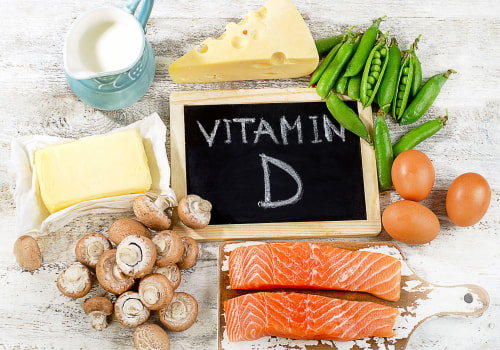
A deficiency in Vitamin D3 can lead to a range of health issues, including weakened bones, increased risk of fractures, and complications during pregnancy. Therefore, understanding the benefits and sources of Vitamin D3 is critical for expectant mothers who want to ensure optimal health for themselves and their growing babies.There are several natural sources of Vitamin D3 that individuals can incorporate into their diets. Fatty fish such as salmon, mackerel, and sardines are among the richest sources. Additionally, egg yolks and fortified foods like milk and cereals provide significant amounts of this essential nutrient.
For those who may struggle to get enough Vitamin D3 from food or sunlight exposure, supplements are also available and can be an effective way to maintain adequate levels. By prioritizing Vitamin D3 intake, pregnant women can support their own health while laying a strong foundation for their baby's development.
The Importance of Vitamin D3 for Pregnant Women
During pregnancy, a woman's body undergoes significant changes to support the growth and development of her baby. One of the most critical aspects of this process is ensuring that both the mother and her developing child receive adequate nutrition, particularly in the form of essential vitamins and minerals. Among these, Vitamin D3 stands out as a vital nutrient that plays a crucial role in promoting health for both mother and baby.Why is Vitamin D3 Important During Pregnancy?
Vitamin D3, also known as cholecalciferol, is essential for several reasons:
- Calcium Absorption: Vitamin D3 enhances the body's ability to absorb calcium, which is crucial for the development of the baby's bones and teeth.
Adequate calcium intake during pregnancy helps prevent complications such as low birth weight and skeletal deformities.
- Bone Health: For pregnant women, maintaining bone density is vital. Vitamin D3 helps to ensure that mothers do not experience bone loss during pregnancy, which can lead to osteoporosis later in life.
- Immune Function: This vitamin also supports the immune system, helping to protect both mother and baby from infections and illnesses during pregnancy.
- Reduction of Pregnancy Complications: Research indicates that sufficient levels of Vitamin D3 can lower the risk of conditions such as pre-eclampsia, gestational diabetes, and preterm birth. These complications can pose serious risks to both maternal and fetal health.
The Increased Nutritional Needs During Pregnancy
Pregnancy significantly increases a woman's nutritional requirements. The body needs more nutrients to support the growing fetus, which includes not only vitamins but also minerals like calcium and magnesium.
Vitamin D3 is particularly important because:
- The developing fetus relies on maternal stores of Vitamin D3 for its own growth and development.
- A deficiency in this vitamin can lead to adverse outcomes such as rickets in infants, a condition characterized by weak or soft bones.
- Prenatal vitamins often include Vitamin D3; however, dietary sources and safe sun exposure are also essential for maintaining optimal levels.
Vitamin D3 and Bone Health: A Critical Connection
Vitamin D3 is not just a vitamin; it is a vital component in the intricate process of maintaining strong bones and teeth for both mothers and their developing babies. The relationship between Vitamin D3 and bone health is primarily centered around its role in enhancing calcium absorption. Calcium is the most abundant mineral in the body and is essential for the formation and maintenance of healthy bones and teeth.During pregnancy, the demand for calcium increases significantly as the fetus requires this mineral for proper skeletal development.Insufficient calcium intake can lead to a range of complications, including weakened bones in both the mother and the baby. This is where Vitamin D3 steps in, acting as a facilitator that ensures calcium is effectively absorbed from the diet.When Vitamin D3 is present in adequate amounts, it enhances the intestinal absorption of calcium, allowing the body to utilize this crucial mineral more efficiently. Without sufficient Vitamin D3, even a diet rich in calcium may not be enough to meet the body's needs. This deficiency can lead to conditions such as osteomalacia in mothers, characterized by softening of the bones, and can hinder the baby's bone development.Moreover, research indicates that adequate levels of Vitamin D3 during pregnancy can help prevent complications such as preeclampsia , which is associated with low calcium levels.
Preeclampsia can have serious implications for both mother and baby, including increased risk of premature birth and low birth weight.To ensure optimal bone health during pregnancy, it is essential for expectant mothers to monitor their Vitamin D3 levels. This can be achieved through a combination of safe sun exposure, dietary sources rich in Vitamin D3, and appropriate supplementation if necessary. Foods such as fatty fish, fortified dairy products, and egg yolks are excellent sources of this nutrient.In conclusion, maintaining adequate levels of Vitamin D3 is critical for ensuring strong bones and teeth during pregnancy. By facilitating calcium absorption and supporting overall bone health, Vitamin D3 plays an indispensable role in safeguarding both maternal and fetal well-being.
Consequences of Vitamin D3 Deficiency During Pregnancy
Vitamin D3 deficiency during pregnancy can lead to a range of serious health complications for both the mother and the developing baby.Understanding these risks is crucial for expectant mothers to ensure they maintain adequate levels of this essential nutrient.One of the most concerning consequences of low Vitamin D3 levels is the increased risk of pre-eclampsia. This condition is characterized by high blood pressure and protein in the urine, typically occurring after the 20th week of pregnancy. Pre-eclampsia can lead to severe complications, including organ damage and premature birth. Studies have shown that women with insufficient Vitamin D3 are more likely to develop this condition, highlighting the importance of monitoring Vitamin D levels throughout pregnancy.Another significant risk associated with Vitamin D3 deficiency is gestational diabetes.
This type of diabetes develops during pregnancy and can cause elevated blood sugar levels, which may affect both the mother and baby. Research indicates that low Vitamin D3 levels may impair insulin sensitivity, increasing the likelihood of gestational diabetes. This condition not only complicates pregnancy but can also lead to long-term health issues for both mother and child.Furthermore, Vitamin D3 deficiency can adversely affect fetal development. Adequate levels of this vitamin are essential for proper bone formation and overall growth in babies.
Insufficient Vitamin D3 during pregnancy has been linked to an increased risk of skeletal deformities , such as rickets, which can manifest later in childhood. Additionally, low Vitamin D3 levels may contribute to developmental delays and other health issues in infants.In summary, the consequences of Vitamin D3 deficiency during pregnancy are profound and multifaceted. From increasing the risk of pre-eclampsia and gestational diabetes to potentially impacting fetal development, maintaining optimal Vitamin D3 levels is vital for ensuring a healthy pregnancy. Expectant mothers should consult with their healthcare providers to assess their Vitamin D status and discuss appropriate measures to prevent deficiencies.
Sources of Vitamin D3: How to Ensure Adequate Intake
Ensuring adequate intake of Vitamin D3 is essential for both mothers and their developing babies.This vital nutrient can be obtained through various dietary sources, sunlight exposure, and supplements. Understanding these sources can help expectant mothers maintain optimal levels of Vitamin D3 throughout their pregnancy.
Dietary Sources of Vitamin D3
Incorporating foods rich in Vitamin D3 into your diet is a practical way to boost your intake. Here are some excellent sources:- Fatty Fish: Fish such as salmon, mackerel, and sardines are among the richest natural sources of Vitamin D3. A single serving can provide a significant portion of the daily recommended intake.
- Cod Liver Oil: This supplement is not only high in Vitamin D3 but also contains omega-3 fatty acids, which are beneficial for overall health.
- Egg Yolks: Eggs are a versatile food that contains Vitamin D3, primarily in the yolk. Including eggs in your diet can help increase your intake.
- Fortified Foods: Many dairy products, plant-based milk alternatives, and breakfast cereals are fortified with Vitamin D3. Always check the labels to ensure you’re getting the right amount.
- Mushrooms: Certain types of mushrooms, especially those exposed to ultraviolet (UV) light, can provide a vegetarian source of Vitamin D3.
Sunlight Exposure
The body naturally produces Vitamin D3 when the skin is exposed to sunlight.Spending just 10-30 minutes outdoors several times a week can significantly contribute to your Vitamin D levels. However, factors such as geographic location, skin tone, and time of year can affect how much Vitamin D your body synthesizes from sunlight. It’s important to balance sun exposure with skin protection to avoid sunburn and skin damage.
Vitamin D3 Supplements
If dietary sources and sunlight exposure are insufficient, supplements can be an effective way to ensure adequate intake of Vitamin D3. Here are some key points to consider when choosing a supplement:- Form: Look for supplements that contain cholecalciferol (Vitamin D3) rather than ergocalciferol (Vitamin D2), as the former is more effective at raising blood levels of Vitamin D.
- Dosing: Consult with a healthcare provider to determine the appropriate dosage based on your individual needs and circumstances.
- Quality: Choose high-quality supplements from reputable brands that undergo third-party testing for purity and potency.
The Role of Sunlight in Vitamin D3 Production
Sunlight is often referred to as the natural source of Vitamin D3, and for good reason.When the skin is exposed to ultraviolet B (UVB) rays from the sun, it initiates a complex process that leads to the production of Vitamin D3, also known as cholecalciferol. This process is vital for maintaining adequate levels of this essential nutrient in the body, especially during pregnancy when the demand for Vitamin D3 increases significantly.During pregnancy, a woman's body undergoes numerous changes, and ensuring sufficient Vitamin D3 levels is crucial for both her health and the developing baby. The skin's ability to synthesize Vitamin D3 from sunlight can be influenced by several factors:
- Geographical Location: Individuals living closer to the equator receive more direct sunlight year-round compared to those in northern latitudes, where sunlight is less intense, especially during winter months.
- Time of Day: The sun's rays are most potent between 10 a.m. and 4 p.m.
This is when UVB rays are most effective for Vitamin D3 synthesis.
- Skin Type: Melanin, the pigment that gives skin its color, can affect Vitamin D3 production. Individuals with darker skin may require longer sun exposure to produce the same amount of Vitamin D3 as those with lighter skin.
- Sunscreen Use: While sunscreen is essential for protecting against harmful UV radiation, it can also inhibit Vitamin D3 production. However, short periods of unprotected sun exposure can help balance this need.
- Limit Exposure Time: Aim for about 10-15 minutes of sun exposure on your arms and face several times a week. This duration can vary based on skin type and location.
- Choose Safe Times: Opt for early morning or late afternoon sun when UV rays are less intense to minimize the risk of sunburn.
- Monitor Skin Reactions: Pay attention to how your skin reacts to sun exposure.
If you notice any redness or irritation, reduce your exposure time.
- Consult Healthcare Providers: Always discuss your sun exposure plans with your healthcare provider, especially if you have concerns about skin sensitivity or other health conditions.
Vitamin D3 Supplementation: What You Need to Know
As the importance of Vitamin D3 becomes increasingly recognized, many expectant mothers are considering supplementation to ensure they meet their nutritional needs during pregnancy.However, understanding how to effectively incorporate Vitamin D3 supplements into a prenatal regimen is essential for both maternal and fetal health.
Why Consider Vitamin D3 Supplements?
During pregnancy, the body’s demand for Vitamin D3 rises significantly. This vitamin is crucial for calcium absorption, which is vital for the development of the baby's bones and teeth. Unfortunately, many women may not get sufficient Vitamin D3 from sunlight or dietary sources alone, making supplementation a practical option.
Choosing the Right Vitamin D3 Supplement
When selecting a Vitamin D3 supplement, there are several factors to consider:
- Form of Vitamin D: Look for supplements that contain cholecalciferol (Vitamin D3) rather than ergocalciferol (Vitamin D2). Research indicates that Vitamin D3 is more effective in raising blood levels of this essential nutrient.
- Dosage: The recommended daily allowance (RDA) for pregnant women varies, but many healthcare providers suggest a dosage between 600 to 800 IU per day.
However, some may require higher doses based on individual health needs.
- Quality and Purity: Choose supplements that are third-party tested for quality and purity. This ensures that you are getting a product free from harmful additives and contaminants.
Prenatal Vitamins with Vitamin D3
Prenatal vitamins often include Vitamin D3, but it’s important to check the label to ensure you’re receiving an adequate amount. Some prenatal vitamins may not provide sufficient levels of this vitamin, necessitating additional supplementation. Always consult with your healthcare provider to determine if your prenatal vitamin meets your needs or if you should consider a separate Vitamin D3 supplement.
Consulting Healthcare Providers
Before starting any new supplement regimen during pregnancy, it is crucial to consult with your healthcare provider.
They can assess your individual health status, dietary intake, and any potential risks associated with supplementation. This personalized approach ensures that both you and your baby receive the necessary nutrients for optimal health.In summary, while Vitamin D3 supplementation can be beneficial during pregnancy, careful consideration of the type of supplement, dosage, and consultation with healthcare professionals is essential to ensure safety and effectiveness.
Frequently Asked Questions About Vitamin D3 in Pregnancy
As expectant mothers navigate their pregnancy journey, questions about Vitamin D3 often arise. Understanding this essential nutrient can help alleviate concerns and ensure both mother and baby remain healthy. Below are some frequently asked questions regarding Vitamin D3 intake during pregnancy.What is Vitamin D3 and why is it important during pregnancy?
Vitamin D3, also known as cholecalciferol, is a vital nutrient that aids in the absorption of calcium and phosphorus, which are crucial for developing strong bones and teeth.During pregnancy, the demand for these minerals increases significantly as the baby's skeletal system forms. Adequate levels of Vitamin D3 not only support the baby's bone health but also help prevent complications such as pre-eclampsia and gestational diabetes.
How much Vitamin D3 do I need while pregnant?
The recommended daily allowance (RDA) for Vitamin D during pregnancy varies by health organizations, but generally, it is advised that pregnant women aim for at least 600 to 800 IU (International Units) per day. However, some studies suggest that higher doses may be beneficial, especially for those with low baseline levels. It is essential to consult with a healthcare provider to determine the appropriate dosage tailored to individual needs.Is Vitamin D3 safe during pregnancy?
Yes, Vitamin D3 is considered safe during pregnancy when taken within recommended limits.Unlike some vitamins that can be harmful in excess, Vitamin D has a relatively high safety threshold. However, excessive intake can lead to toxicity, resulting in elevated calcium levels in the blood, which can be harmful. Therefore, it is crucial to follow healthcare provider recommendations regarding supplementation.
Can I get enough Vitamin D3 from food alone?
While certain foods such as fatty fish, egg yolks, and fortified dairy products are good sources of Vitamin D3, it can be challenging to obtain sufficient amounts through diet alone, especially during pregnancy when nutritional needs increase. Sunlight exposure also plays a significant role in Vitamin D synthesis; however, factors like geographic location and skin type can affect how much Vitamin D is produced.For many women, a combination of dietary sources and supplements may be necessary to achieve optimal levels.In summary, understanding the role of Vitamin D3 during pregnancy is vital for ensuring both maternal and fetal health. By addressing these common questions and consulting with healthcare professionals, expectant mothers can make informed decisions about their Vitamin D intake.
Conclusion: Prioritizing Vitamin D3 for Maternal and Infant Health
In summary, the significance of Vitamin D3 for both maternal and infant health cannot be overstated. This essential nutrient plays a pivotal role in ensuring strong bones and teeth, which are foundational for overall health and well-being. Throughout pregnancy, the demand for Vitamin D3 increases as the developing fetus requires adequate calcium for proper skeletal formation.Without sufficient levels of this vitamin, mothers may face serious health risks, including complications such as pre-eclampsia and gestational diabetes.Moreover, a deficiency in Vitamin D3 can adversely affect the baby's development, leading to potential long-term consequences such as skeletal deformities and increased susceptibility to fractures. Therefore, it is crucial for expectant mothers to prioritize their intake of this vital nutrient.To achieve optimal levels of Vitamin D3, a multifaceted approach is recommended:
- Sunlight Exposure: Aim for safe sun exposure, allowing the body to naturally produce Vitamin D3. Just 10-15 minutes of sunlight on the skin can significantly boost levels.
- Dietary Sources: Incorporate foods rich in Vitamin D3, such as fatty fish (like salmon and mackerel), egg yolks, and fortified dairy products.
- Supplementation: Consult with healthcare providers about appropriate supplements, especially if dietary intake and sun exposure are insufficient.
As research continues to unveil the myriad benefits of this nutrient, it becomes increasingly clear that maintaining adequate levels should be a fundamental aspect of prenatal care.